15% off your first order with WELCOMEAS →
Free shipping on orders over $89 →
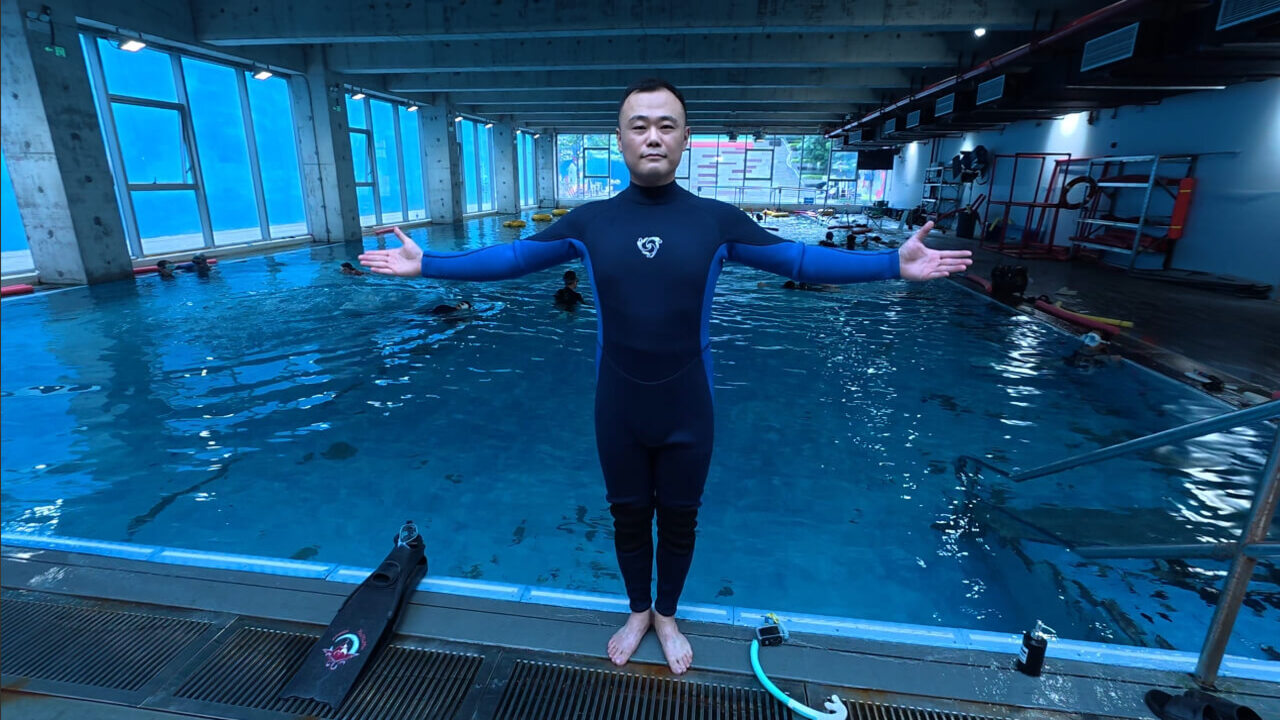
A wetsuit is not meant to fit like everyday clothing.
It should sit close to the body, with minimal unnecessary space, but it should not create painful pressure or seriously restrict normal movement.
A loose wetsuit can leave excess material and space around the body, while an overly tight suit can make basic movement uncomfortable. The goal is a close, second-skin-style fit rather than either extreme.
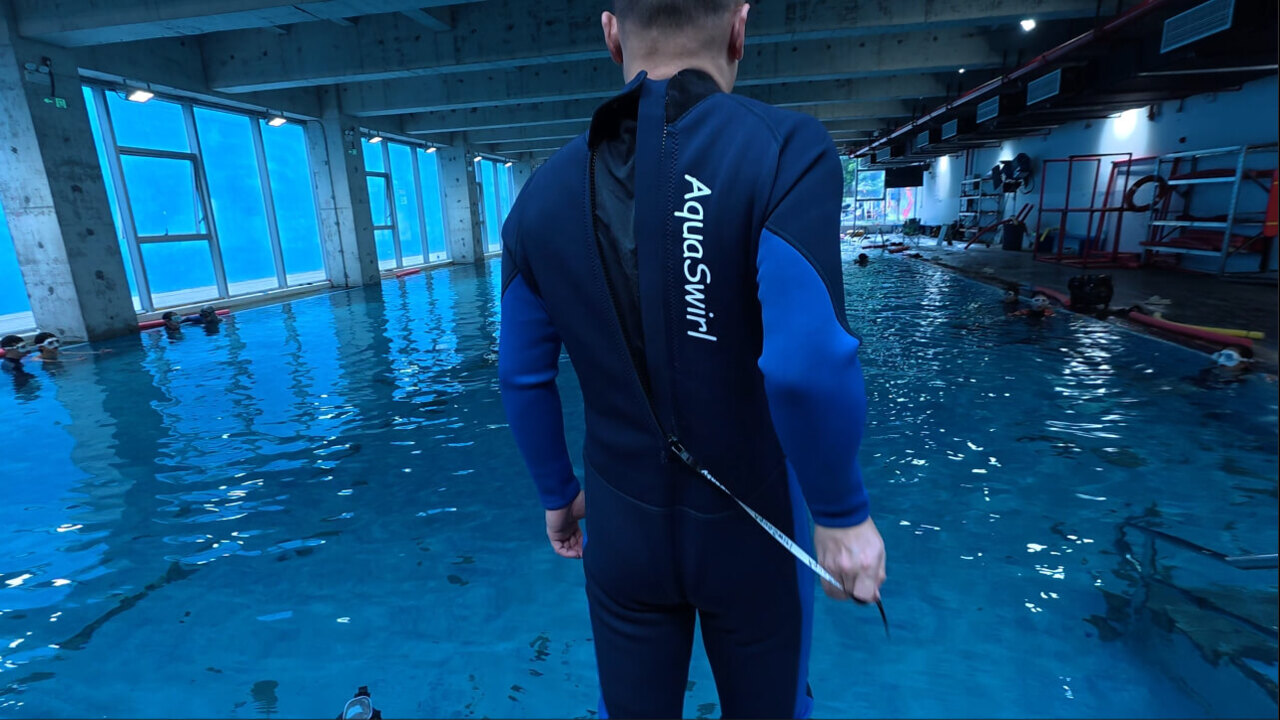
Put the suit on fully before judging the fit.
Check whether the shoulders sit naturally and whether you can move your arms through the motions you would actually use in the water.
Your chest should feel close, but normal breathing should not feel restricted.
Look for large loose folds around the stomach, lower back, waist or hips.
A little material movement is normal, but large pockets of unused space usually mean the fit deserves another look.
At the same time, the suit should not feel painfully stretched through the torso when you stand, bend or squat.
Excess bunching behind the knees, at the elbows or around the lower back may indicate extra room.
Check the arms and legs for a close, even fit rather than judging the suit only from the chest.
Try a few simple movements:
Raise both arms.
Rotate your shoulders.
Bend forward.
Squat.
Take a few normal breaths.
A thicker wetsuit can naturally feel more substantial than a thinner one, but you should still be able to perform the movements needed for your activity.
Use the specific product size chart whenever possible.
Common wetsuit sizing measurements include:
Height
Stand naturally without shoes.
Weight
Use your current body weight rather than an old clothing size.
Chest / bust
Measure around the fullest part of the chest or bust with the tape level.
Waist
Measure around the natural waist.
Hips
Measure around the fullest part of the hips.
Keep the measuring tape snug, but not tight. Size-chart measurements refer to the body, not the dimensions of the finished garment.
Do not use a universal “always size up” or “always size down” rule.
Different wetsuits use different patterns, materials and stretch characteristics.
Instead:
1. compare the measurements that matter most for that specific product;
2. read any verified fit note on the product page;
3. use the product-specific size chart;
4. contact us if the measurements sit across two sizes.
If a product-specific size chart notes that a particular suit runs smaller and recommends sizing up, that guidance applies only to the styles identified with that chart. Do not treat it as an AquaSwirl-wide sizing rule.
Use the size guidance attached to the specific product, and contact us when it is unclear which chart applies.
Use our guides, check your fit, or send us a message if you’re unsure.